
blog detail
- Home
- blog detail
 April 10, 2026
How Schools Are Embracing Digital Learning
The world of education is evolving rapidly, and schools are at the forefront of this transformation. Digital learning has moved from being an optional supplement to a core component of modern education. By integrating technology into classrooms, schools are not only making learning more engaging but also preparing students for a digital-first future.
1. Blended Learning: The Best of Both Worlds
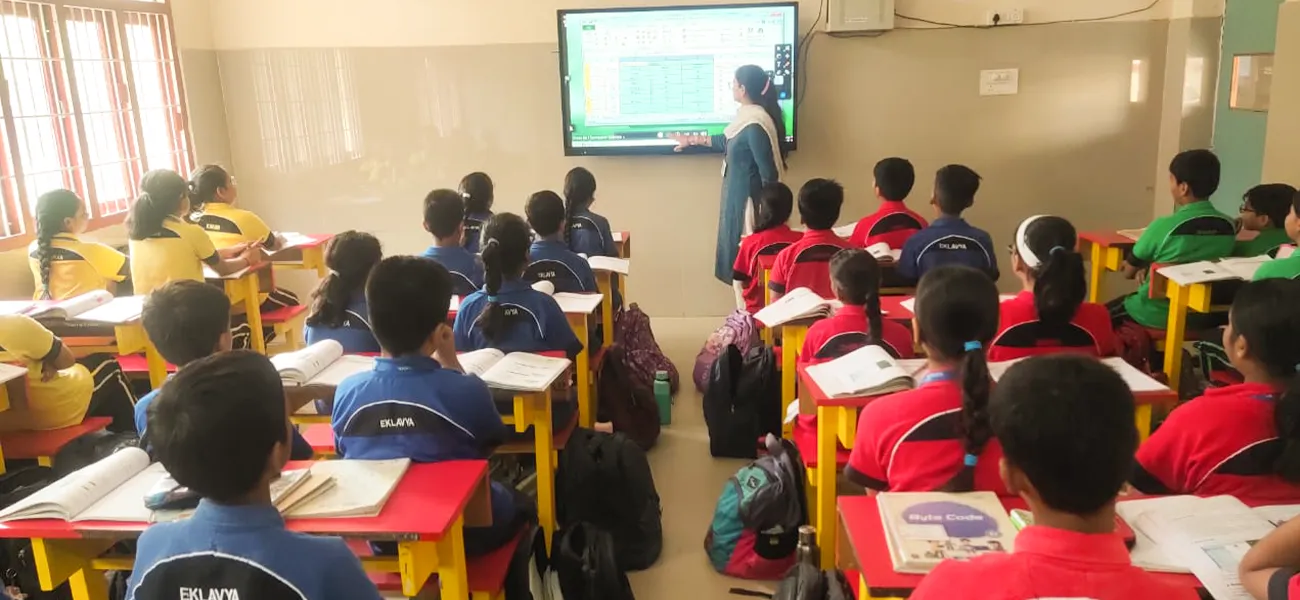
Many schools are adopting a blended learning approach, combining traditional classroom teaching with online tools and resources. Students can access interactive lessons, educational videos, and digital assignments at their own pace, while still benefiting from face-to-face guidance from teachers. This flexibility allows students to learn according to their own style and speed, improving understanding and retention. Trends in Education.
2. Interactive Digital Tools
From smartboards to learning management systems, schools are leveraging technology to make lessons interactive and engaging. Digital quizzes, gamified learning apps, and virtual labs allow students to actively participate in lessons rather than passively receiving information. These tools encourage curiosity, critical thinking, and problem-solving — essential skills for today’s learners.
3. Remote Learning Opportunities
The COVID-19 pandemic accelerated the adoption of online education, highlighting the importance of remote learning capabilities. Schools now use video conferencing platforms and digital classrooms to ensure continuity of education, even when students cannot be physically present. This also opens up opportunities for collaboration with students and teachers across the globe, expanding learning horizons.
4. Personalized Learning Experiences
Digital learning platforms enable schools to personalize education for each student. AI-driven tools can track progress, identify strengths and weaknesses, and provide tailored resources to help students improve. Personalized learning ensures that students receive the attention and support they need, fostering confidence and motivation.
5. Developing Digital Literacy
Incorporating technology into education is about more than just using gadgets — it’s about developing digital literacy. Schools are teaching students how to responsibly navigate the internet, evaluate online information, and use digital tools effectively. These skills are vital for future academic and professional success in an increasingly digital world.
6. Encouraging Creativity and Collaboration
Digital platforms also offer new ways for students to collaborate and express creativity. From creating multimedia projects to participating in online group discussions, students learn to work together virtually and think creatively. These experiences mirror real-world environments where teamwork and innovation often occur online.
7. Preparing for the Future
By embracing digital learning, schools are preparing students for the challenges and opportunities of the modern world. Technology equips students with the skills needed for future careers, many of which will rely heavily on digital tools, remote collaboration, and continuous learning.
Conclusion
Digital learning is no longer optional; it is a necessity in modern education. Schools that embrace technology create dynamic, engaging, and personalized learning experiences that empower students to thrive academically and professionally. By combining traditional teaching with digital innovation, schools are shaping a generation that is confident, adaptable, and ready to succeed in a digital-first world.

Written by:Admin