
blog detail
- Home
- blog detail
 April 6, 2026
Tips to Help Children Love Their Studies
Helping children develop a love for learning is one of the most valuable gifts parents and educators can give. When children enjoy studying, it becomes a natural part of their routine rather than a chore. Fostering curiosity, motivation, and engagement early on can shape lifelong learners who approach challenges with enthusiasm and confidence. Here are some practical tips to help children love their studies.
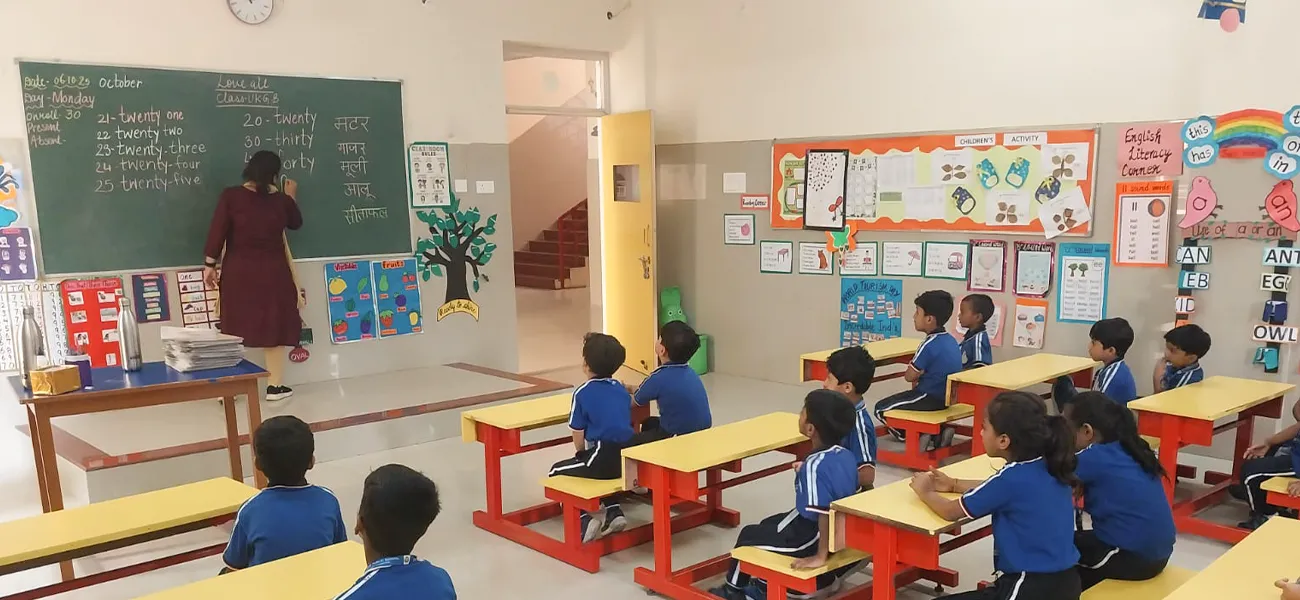
1. Create a Positive Learning Environment
The atmosphere in which a child studies plays a crucial role in shaping their attitude toward learning. A quiet, organized, and comfortable study space can make a big difference. Ensure that the area is free from distractions, well-lit, and stocked with all necessary materials. A positive environment signals to children that studying is important and enjoyable to Succeed in academics.
2. Connect Learning to Real Life
Children are naturally curious, and they love to see how things work in the real world. Linking academic concepts to everyday experiences makes learning more relevant and exciting. For example, teaching fractions through cooking or explaining physics through playground games helps children understand the practical value of what they are learning.
3. Encourage Curiosity, Not Just Grades
Instead of focusing solely on marks and performance, encourage children to ask questions, explore new ideas, and experiment. Praise their efforts and curiosity rather than just correct answers. This nurtures intrinsic motivation, making them more likely to enjoy the process of learning itself.
4. Make Learning Interactive and Fun
Studies show that children retain information better when learning is interactive. Use educational games, quizzes, flashcards, or creative activities to make subjects engaging. Hands-on experiments in science, storytelling in language arts, and real-world problem-solving in math can transform study time into an exciting experience.
5. Set Realistic Goals and Celebrate Achievements
Help children set small, achievable learning goals. Completing these goals gives them a sense of accomplishment and boosts confidence. Celebrate milestones, no matter how small, to reinforce a positive attitude toward studying. This creates a cycle of motivation and achievement.
6. Encourage Independent Learning
Allow children to explore topics that interest them outside of the standard curriculum. Providing access to books, videos, and educational apps can help them pursue their passions and develop self-directed learning habits. Independence fosters responsibility and a sense of ownership over their education.
7. Be Supportive and Patient
Parents and teachers play a critical role in shaping a child’s attitude toward studies. Offer guidance, encouragement, and support when challenges arise. Avoid harsh criticism, as it can create fear and aversion toward learning. Instead, help children understand mistakes as opportunities to learn and improve.
Conclusion
Helping children love their studies is about creating an environment where learning feels rewarding, relevant, and enjoyable. By connecting lessons to real-life experiences, encouraging curiosity, making learning interactive, and providing support, parents and educators can instill a lifelong love for knowledge. When children enjoy learning, they not only perform better academically but also develop confidence, creativity, and critical thinking skills that will serve them throughout life.

Written by:Admin