
blog detail
- Home
- blog detail
 April 13, 2026
How Play-Based Learning Boosts Young Minds
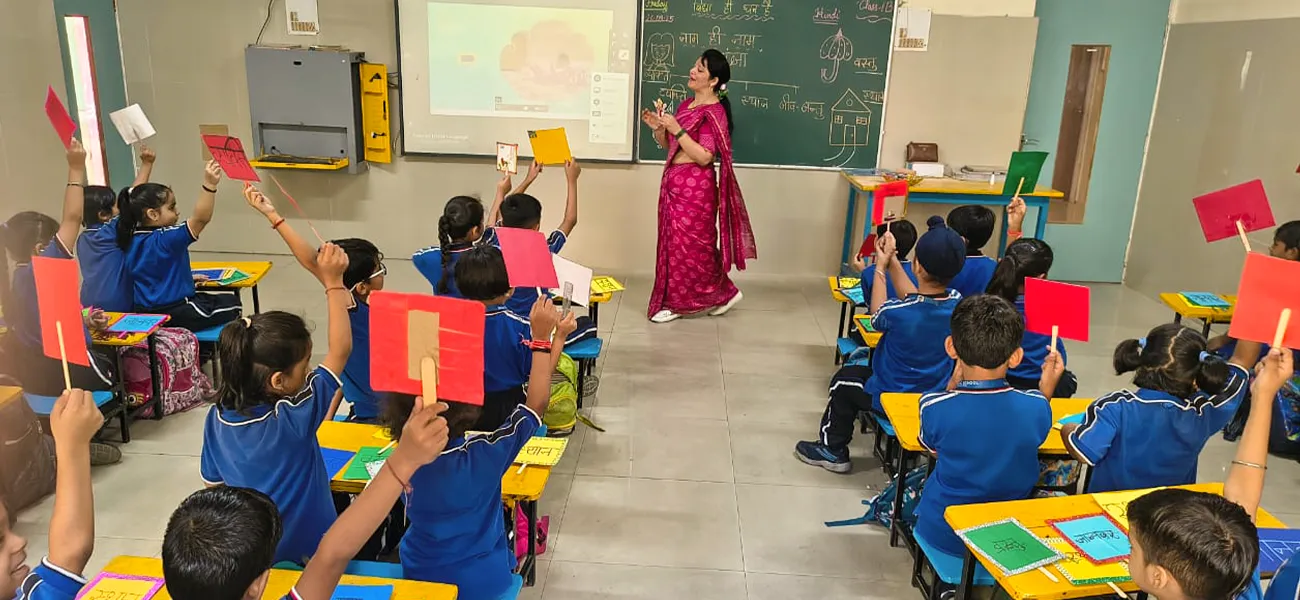
In today’s fast-paced, competitive world, the idea of learning through play might seem too simple — but for young children, it’s one of the most powerful ways to grow. Play-based learning transforms everyday fun into valuable lessons that build a strong foundation for lifelong curiosity, creativity, and confidence.
1. Encourages Creativity and Imagination
Play is a child’s natural language of learning. When children engage in pretend play — whether they’re building castles with blocks, setting up a mini grocery store, or playing teacher — they use creativity to make sense of their surroundings. This imaginative exploration helps develop problem-solving skills, abstract thinking, and the ability to innovate. Children learn to experiment with ideas and test new solutions, which lays the foundation for critical thinking later in life. Benefits for Early Childhood Growth.
2. Strengthens Cognitive Development
Play-based activities stimulate the brain in powerful ways. Puzzles, sorting games, and building challenges help children improve memory, attention span, and reasoning skills. Through play, they begin to understand basic concepts of math, science, and language naturally. For instance, when stacking blocks, they unconsciously learn about balance, size, and gravity. Similarly, storytelling or role-playing builds vocabulary and communication abilities while strengthening their ability to express thoughts clearly.
3. Builds Social and Emotional Skills
When children play together, they learn vital social lessons such as sharing, cooperation, and empathy. Group play teaches them how to negotiate, take turns, and handle conflicts. It also allows them to express feelings freely in a safe and supportive environment. These experiences help build emotional intelligence — a key factor in building strong relationships and adapting to challenges later in life.
4. Fosters Independence and Confidence
Play gives children the freedom to make their own choices, experiment, and learn from mistakes. When they succeed at solving a puzzle or creating something new, it boosts their confidence. Even small achievements during play make children feel capable and proud of their efforts. This sense of autonomy helps them approach new learning experiences with curiosity rather than fear.
5. Connects Learning with Real Life
Play-based learning bridges the gap between theory and practice. When children engage in activities like pretend cooking or building a shop, they apply real-world concepts in their own way. This hands-on approach ensures that learning is not only understood but also remembered. It transforms education from a passive experience into an active and joyful one.
In conclusion, play is not the opposite of learning — it is learning in its most natural and effective form. Through play, young minds develop creativity, intelligence, confidence, and empathy — qualities that are essential for success in school and beyond. Encouraging play-based learning means nurturing curious thinkers who grow not just academically, but holistically — ready to take on the world with joy and imagination.

Written by:Admin